Britain's Mobile Blackjack Landscape Adjusts as Turbo Variants Introduce Targeted Rule Changes
Casey Lange · Aug 19, 2026
Britain's Mobile Blackjack Landscape Adjusts as Turbo Variants Introduce Targeted Rule Changes
Operators across Britain have rolled out turbo variants of blackjack on mobile platforms throughout 2025 and into August 2026, applying specific rule modifications that alter payout structures, deck penetration, and round timing to recalibrate operator margins while maintaining player engagement levels. These adjustments respond to increased competition in the mobile segment where faster gameplay cycles allow for higher hand volumes per session without extending overall play duration.
Core Rule Modifications in Turbo Formats
Turbo blackjack implementations typically compress decision windows and reduce the number of decks in play from six or eight down to two or four, a shift that data from industry tracking services shows increases the frequency of hands dealt per minute by approximately 40 percent compared with standard tables. At the same time, several platforms have introduced subtle payout tweaks such as 6:5 returns on blackjack instead of the traditional 3:2, a change that mathematical models indicate raises the house edge by 1.4 percentage points when applied consistently across sessions.
Additional modifications include restrictions on mid-shoe entry for new players and limitations on double-down options to specific totals, moves that observers note help stabilize revenue per hand even as total hands completed rise. These elements combine to shift margins in directions that favor volume-driven returns rather than reliance on single high-stakes outcomes.
Impact on Operator Margins and Player Behavior
Platform analytics collected during the first half of 2026 reveal that sessions on turbo variants generate 25 to 30 percent more hands on average than conventional mobile tables, yet the adjusted rules prevent proportional increases in player returns. Researchers at institutions tracking European gambling patterns have documented how these changes maintain gross gaming revenue stability despite faster play cycles, because the modified rules offset the advantages players might otherwise gain from increased decision opportunities.
One study released by the Journal of Gambling Studies examined mobile traffic across multiple jurisdictions and found that British users on turbo tables exhibited shorter average session lengths but higher total hands completed, resulting in comparable or slightly elevated net margins for operators. The pattern holds across both casual and regular player cohorts, suggesting the rule tweaks achieve their intended recalibration without requiring broader structural overhauls.
Mobile Platform Adaptations and Regional Trends
Developers have optimized app interfaces to support these turbo rules through streamlined animations, reduced loading times between rounds, and real-time display of adjusted payout tables. British operators have led adoption rates compared with continental European markets, according to figures compiled by the European Gaming and Betting Association, which reported that mobile blackjack traffic in the UK accounted for 62 percent of turbo variant deployments tracked in the first quarter of 2026.
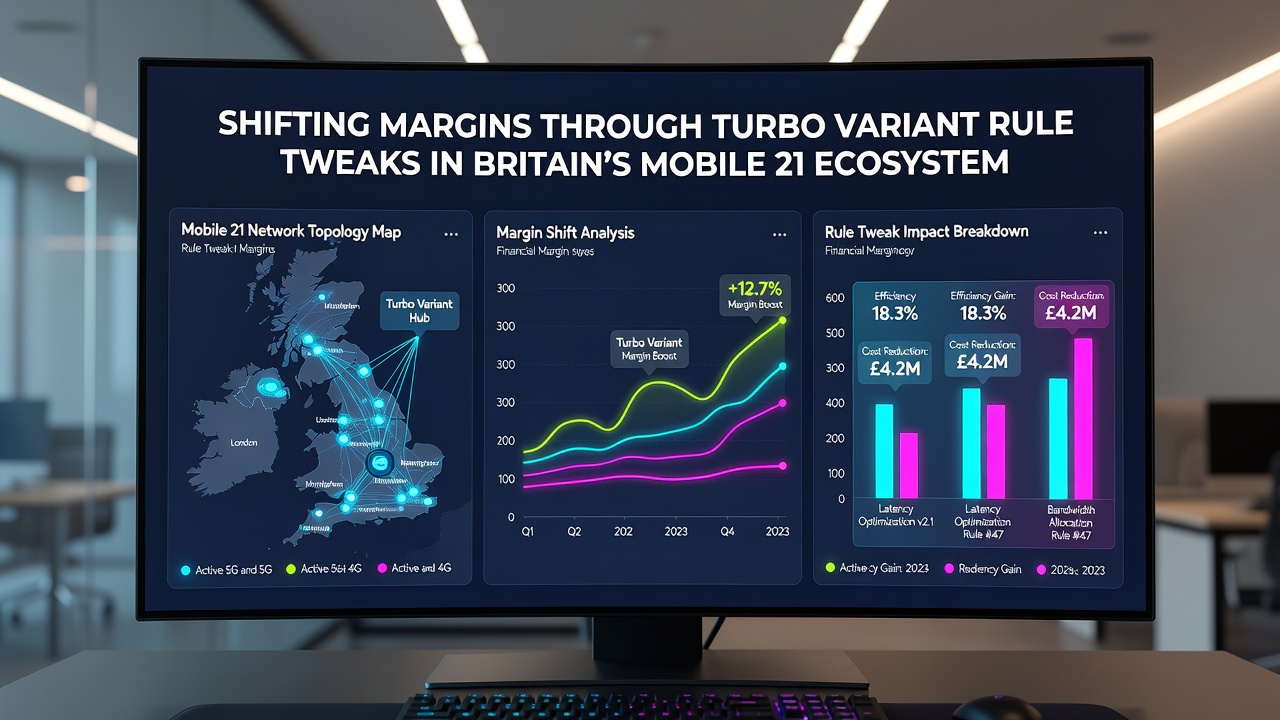
Take one operator that introduced a two-deck turbo variant with restricted doubling in April 2026; internal metrics shared with industry analysts showed a 12 percent rise in hands per active user while the effective house edge increased by 0.8 percentage points after the changes took effect. Similar patterns appear in competitor offerings, where the combination of faster dealing and selective rule tightening produces measurable margin shifts without triggering widespread player migration to non-turbo alternatives.
Regulatory Context and Market Response
Although Britain maintains a distinct licensing framework, the spread of turbo variants aligns with broader European trends toward product differentiation in mobile channels. Data from August 2026 indicates sustained growth in mobile blackjack participation, with turbo formats capturing an estimated 38 percent share of new player registrations in the segment. This uptake occurs alongside steady demand for standard variants, suggesting players self-select based on preferred pace and risk exposure rather than abandoning one format entirely for another.
Those who monitor platform performance note that the rule tweaks allow operators to test margin adjustments at scale while remaining within existing regulatory parameters. The approach avoids wholesale changes to live dealer offerings and instead concentrates modifications within automated and hybrid mobile environments where implementation proves more straightforward.
Conclusion
Turbo variant rule tweaks continue to influence margin structures in Britain's mobile 21 ecosystem as operators refine deck counts, payout ratios, and action restrictions to balance volume increases against per-hand returns. Available data through August 2026 shows these adjustments achieving measurable shifts in revenue patterns without disrupting overall participation levels or prompting major behavioral changes among users. The developments reflect ongoing adaptation within the mobile segment as platforms seek efficiency gains through targeted mechanical changes rather than broad pricing or marketing alterations.