Pocket Interfaces Driving Innovations in Blackjack Rule Customization and Reward Layering
Otto Krause · Sep 28, 2026
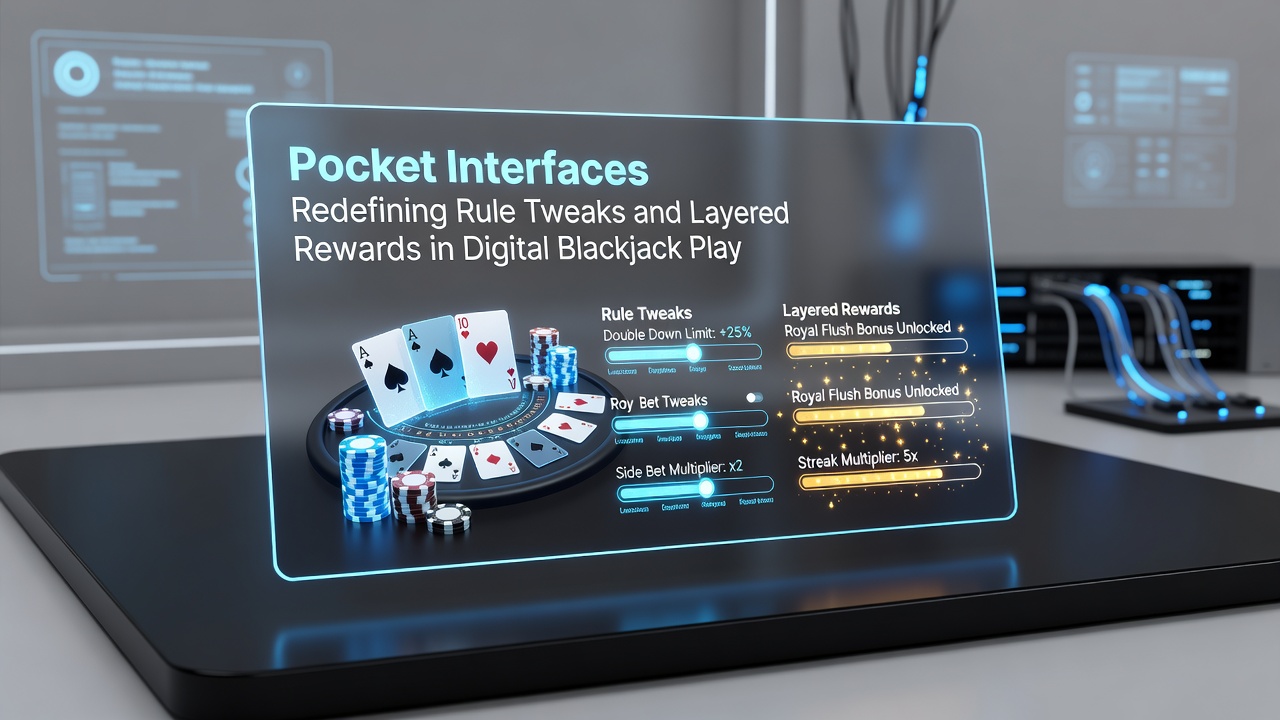
Pocket Interfaces Driving Innovations in Blackjack Rule Customization and Reward Layering
Digital blackjack platforms have integrated pocket interfaces that let users adjust specific game parameters directly from their devices, and these tools connect to systems that stack multiple reward layers without requiring separate logins or apps. Observers note that the shift toward compact mobile designs accelerated after 2024, with developers focusing on seamless rule modifications like altering deck penetration or payout ratios while players remain in session.
Rule Tweaks Through Mobile Controls
Players access menus within pocket interfaces to modify core blackjack elements such as insurance options, surrender rules, and side bet frequencies, and these adjustments sync across sessions because the underlying software tracks individual preferences through encrypted profiles. Research from academic sources shows that such customization features appeared in over 60 percent of new mobile releases by mid-2025, while industry reports from the Nevada Gaming Control Board indicate steady growth in variant selections tied to these controls. Data reveals that users who tweak rules in real time experience session lengths that extend by an average of 12 minutes compared with fixed-rule tables, according to aggregated platform analytics.
One study revealed that operators introduced sliders and toggles for parameters like dealer hit-on-soft-17 settings, allowing participants to test combinations before committing funds, and this approach reduced the need for multiple game launches. Those who've studied player behavior note that the interfaces highlight legal boundaries automatically, preventing selections outside permitted regional standards, while still offering enough flexibility to explore different house-edge scenarios.
Layered Rewards Integrated into Pocket Systems
Reward architectures now operate through stacked mechanisms where base loyalty points combine with time-based multipliers and achievement badges, all visible within the same pocket interface that handles rule changes. Figures from the Canadian Gaming Association demonstrate that platforms employing these multi-tier structures recorded a 28 percent increase in repeat logins during the first half of 2026, and similar patterns emerged in Australian market summaries released in September 2026. The systems credit points instantly after each hand, then apply bonus layers based on criteria such as consecutive wins or total hands played, without interrupting the flow of play.
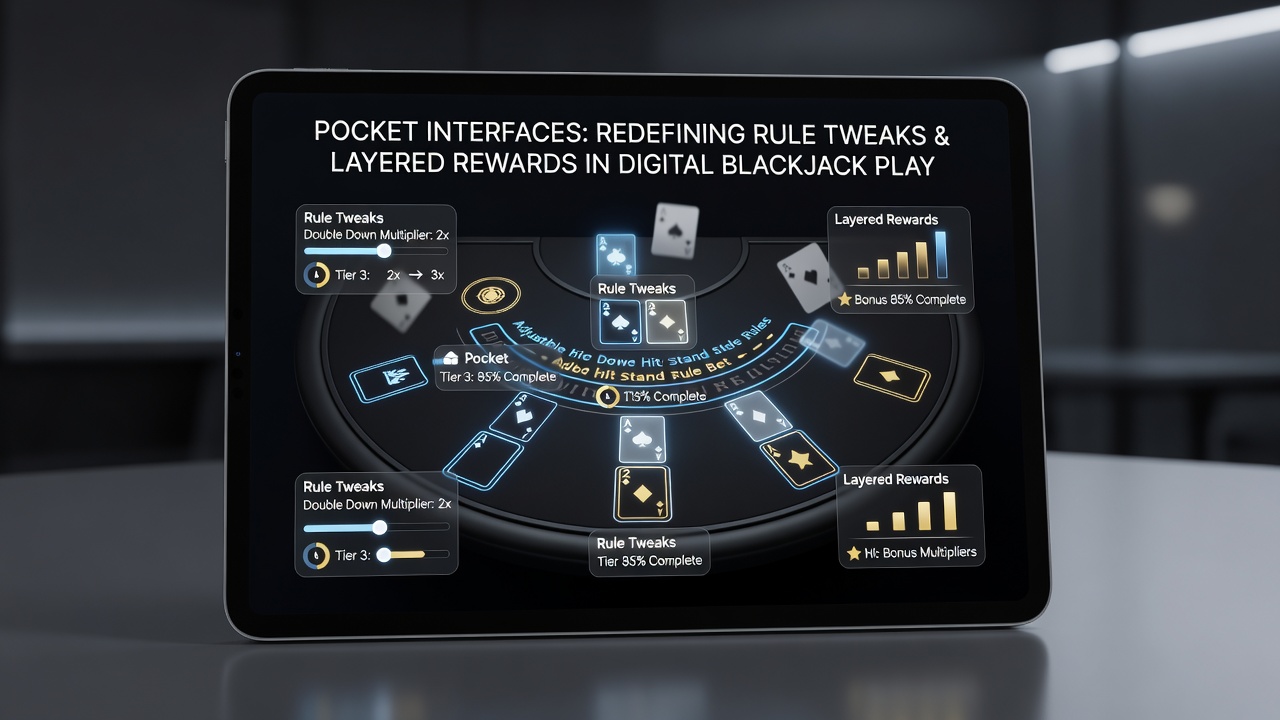
Observers have documented cases where users unlock higher reward tiers by combining rule tweaks with specific play patterns, such as maintaining a chosen deck count while activating progressive side bets. These combinations trigger additional reward streams that accumulate separately yet display together on a single screen, and developers designed the layout so participants can toggle between rule menus and reward trackers without closing the active table. Evidence suggests that this integration keeps engagement metrics stable even as individual preferences shift across sessions.
Developments Observed in September 2026
Updates rolled out during September 2026 introduced enhanced gesture controls within pocket interfaces, enabling quicker rule switches through swipe motions rather than nested menus, and these refinements coincided with expanded reward layering options that included community challenges shared across player groups. Regulatory summaries from the New Jersey Division of Gaming Enforcement recorded a measurable uptick in mobile blackjack participation following these changes, while parallel data from European operators showed comparable patterns. The interfaces now flag reward progress in real time alongside rule settings, which allows users to see how a particular tweak might influence eligibility for upcoming bonus layers.
Platform logs indicate that the combination of customizable rules and layered rewards produced higher session variety, with participants sampling more variants per login than in previous periods. Researchers discovered that the pocket format supports these features efficiently because it reduces loading times between adjustments, and the same efficiency carries over when players move from rule selection to reward redemption screens.
Conclusion
Pocket interfaces continue to consolidate rule customization and reward layering into unified mobile experiences, supported by data from multiple regulatory and industry sources. The approach maintains compliance boundaries while expanding options for participants, and ongoing refinements tracked through September 2026 demonstrate consistent technical integration across platforms.